What is Intemerate?

Expressed as an equation, intemerate accounting provides a tangible, decolonial pathway for local, indigenous, and customary methodologies to integrate with auditing frameworks, data protocols, and regional economic systems.

Intemerate means pure, sacred, sacrosanct. Intemerate accounting measures the performance of how we steward, generate, and exchange ecological and social data — and how that data can serve the communities that produce it.

Rather than assigning commodity values to natural capital, the intemerate equation develops intermediary structures that support local data stewardship: trained auditors, community-based protocols, and translocal market mechanisms that keep ecological value where it originates. Our local interactions with the environment must generate a greater collective return than the extractive data regimes managed by distant investment and technology platforms.

Ecological biodiversity is sacrosanct. Local data sovereignty is its guardian. Shifting national economic indicators to value the data on our environmental and social interactions — governed by those communities closest to the land and sea — is the most equitable route for building a restorative, accountable economy.

Our mission remains simple: we seek to bring ecological accounting into the global justice movement, through the intermediaries, auditors, and data stewards who will carry it forward.

Intemerate Earth is a registered 501(c)(3) non-profit.
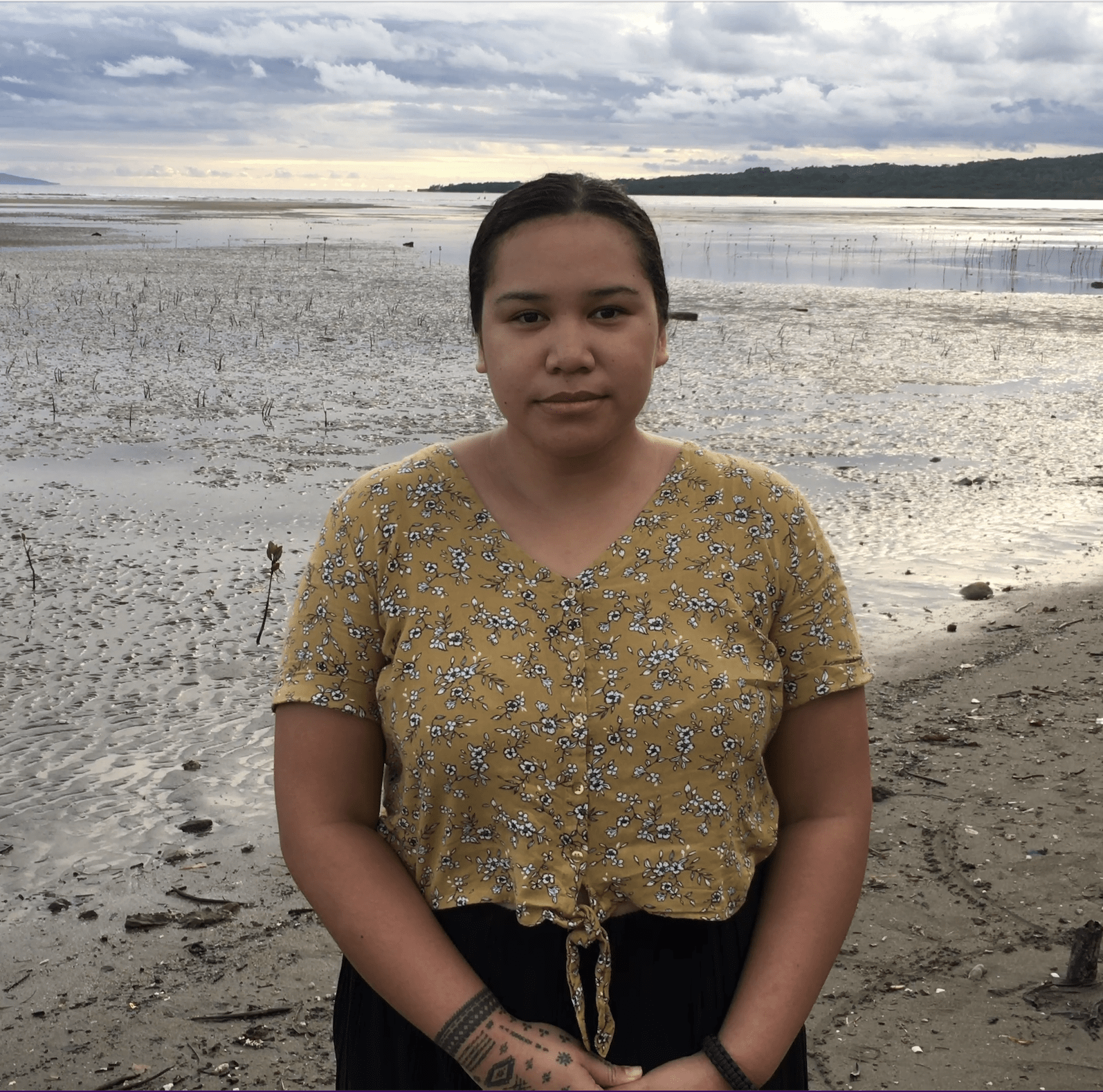
Lemaima Vaai: Reweaving the Ecological Mat member, Foreshore, Suva, Fiji

Here’s the Issue

Many economists understand that our present national accounting standards — GDP or Gross Domestic Product — need revision if we are to reverse the economic drive most contributing to environmental degradation, resource depletion, biodiversity loss, climate change, poverty, inequality, and the fragility factors that have eroded our environmental security and wellbeing.

While there are several alternative indicators proposing how we should account for consumption, production, distribution, and exchange, what makes the intemerate accounting equation unique is that our program does not simply adjust national accounts by adding new natural capital accounts or create new nature-based asset classes benefitting large economies.

The problem is not only what we measure, but who controls the measurement. Environmental data generated by indigenous and local communities is increasingly extracted, processed, and monetized by outside platforms, technology intermediaries, and investment regimes — without consent, compensation, or community benefit. Local data sovereignty addresses this directly: the communities that steward the land and sea must govern the data that describes it.

Responding to global demands for environmental and social responsibility (ESR), Sustainable Development Goals (SDGs), Free Prior and Informed Consent (FPIC), and emerging frameworks for data governance, the Intemerate Equation provides a bottom-up pathway for indigenous peoples, impacted local communities, and Global South economies to assert control over their ecological data — with real-world, evidence-based assessments and outcomes.

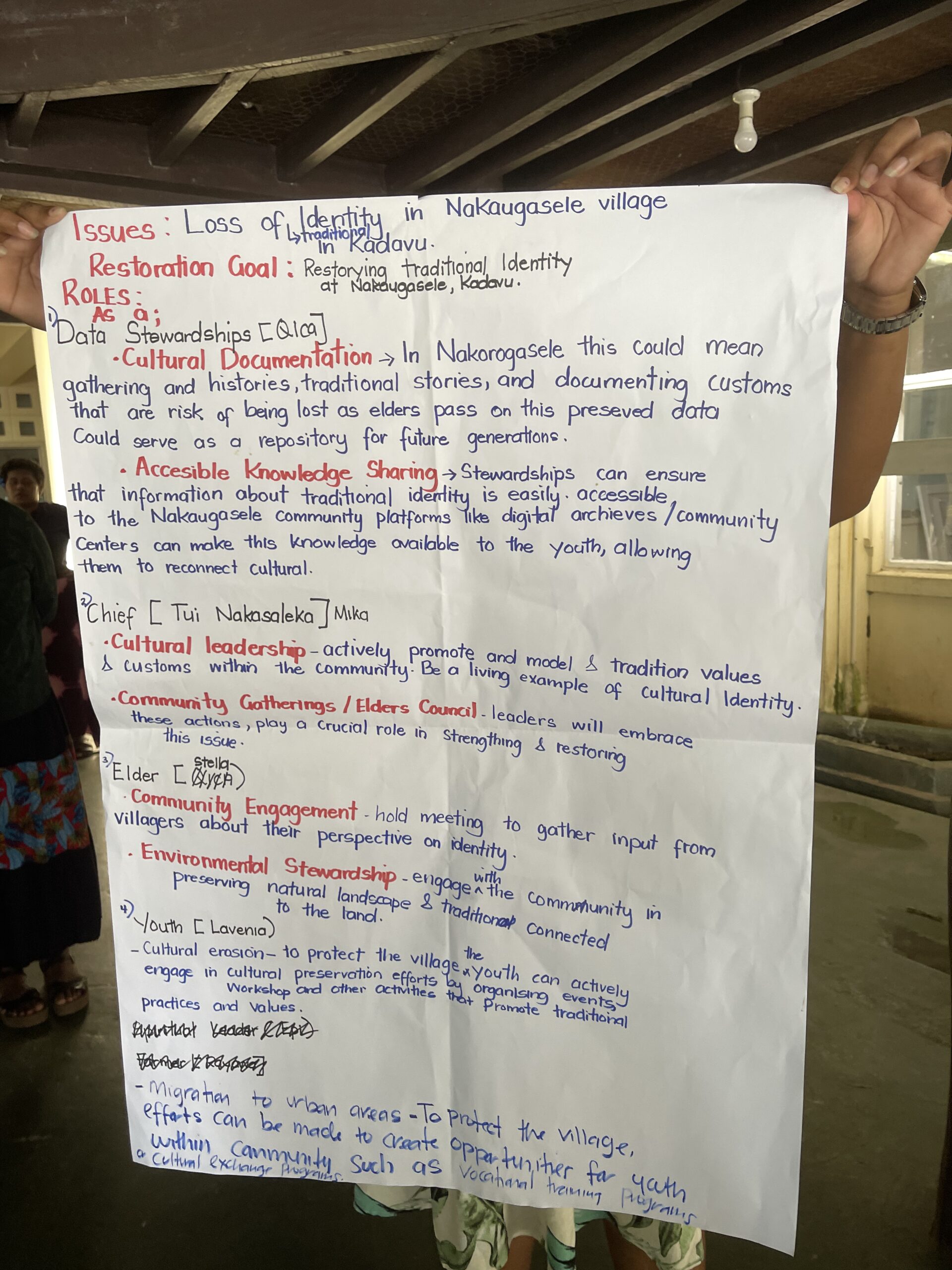
Ecological Accounting Workshop

Our Solution

Intemerate Earth is developing an educational program for translocal market development, intermediary training, and ecological auditing, building on the graduate and post-graduate curriculum established with the Pasifika Communities University in Suva, Fiji. The purpose is to integrate community-based data stewardship, local governance, and the household economy with a just and equitable index based on the intemerate equation — enabling a bottom-up, translocal, and inter-global economic approach.

Central to this work is the development of intermediaries: trained local data stewards, auditors, and protocol officers who can bridge community-held ecological knowledge with regional and global accounting systems. These intermediaries are not outside experts imposing frameworks — they are community members equipped to govern, verify, and exchange ecological data on their own terms.

Intemerate Earth seeks to promote partnerships in regional and global collectives. This work builds on programs and workshops convened by the Institute of Mission and Research (IMR), Pasifika Communities University (PCU), the Pacific Conference of Churches (PCC), the University of the South Pacific (USP), and the Pacific Islands Forum, as part of the “Reweaving the Ecological Mat” initiative. We have received support from the World Council of Churches (WCC) and the G20 Interfaith Forum.

This work is grounded in the publication Ecological Economic Accounts: Towards Intemerate Values — and looks forward to the translocal markets, auditing protocols, and data sovereignty frameworks that will carry it into practice.

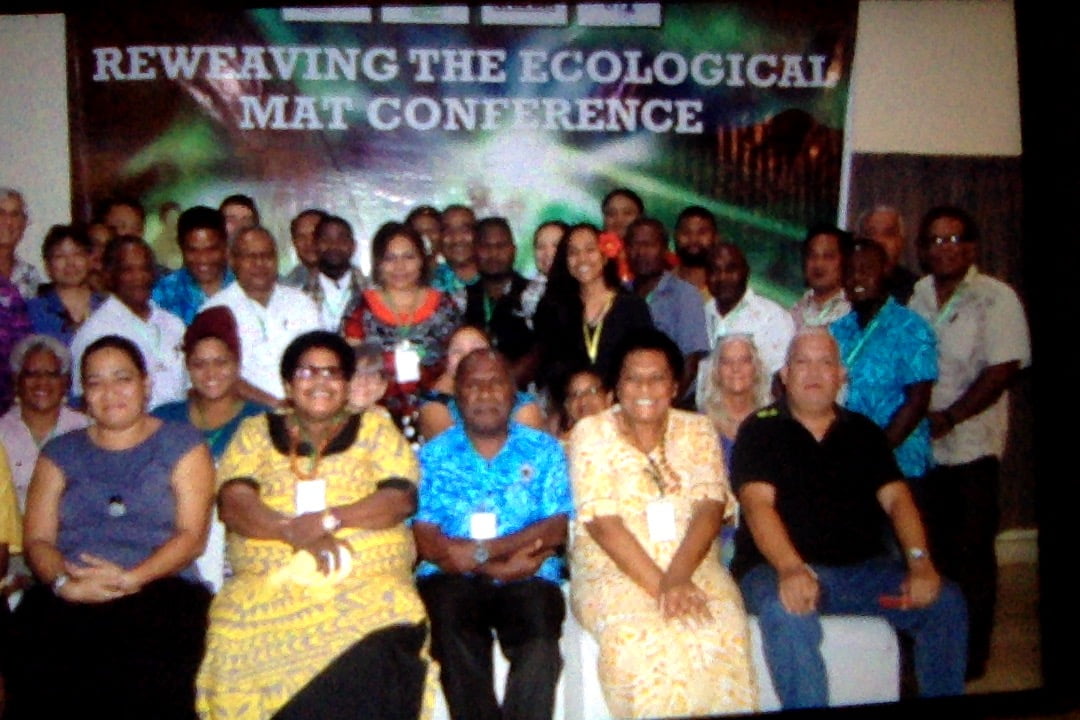
Reweaving the Ecological Mat Conference, Suva, Fiji, 2019.