Many economists understand that our present national accounting standards — GDP or Gross Domestic Product — need revision if we are to reverse the economic drive most contributing to environmental degradation, resource depletion, biodiversity loss, climate change, poverty, inequality, and the fragility factors that have eroded our environmental security and wellbeing.
While there are several alternative indicators proposing how we should account for consumption, production, distribution, and exchange, what makes the intemerate accounting equation unique is that our program does not simply adjust national accounts by adding new natural capital accounts or create new nature-based asset classes benefitting large economies.
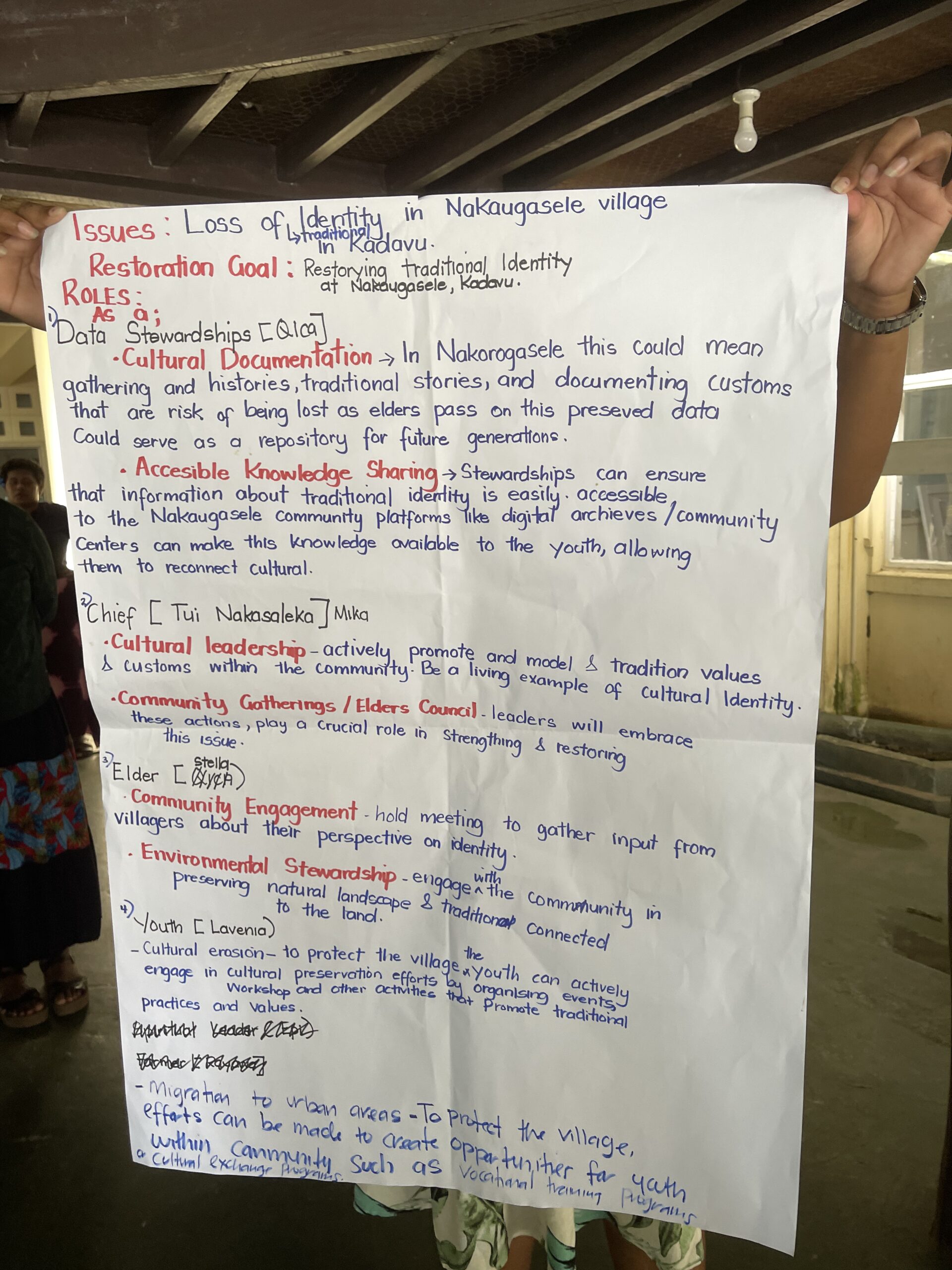
The problem is not only what we measure, but who controls the measurement. Environmental data generated by indigenous and local communities is increasingly extracted, processed, and monetized by outside platforms, technology intermediaries, and investment regimes — without consent, compensation, or community benefit. Local data sovereignty addresses this directly: the communities that steward the land and sea must govern the data that describes it.
Responding to global demands for environmental and social responsibility (ESR), Sustainable Development Goals (SDGs), Free Prior and Informed Consent (FPIC), and emerging frameworks for data governance, the Intemerate Equation provides a bottom-up pathway for indigenous peoples, impacted local communities, and Global South economies to assert control over their ecological data — with real-world, evidence-based assessments and outcomes.