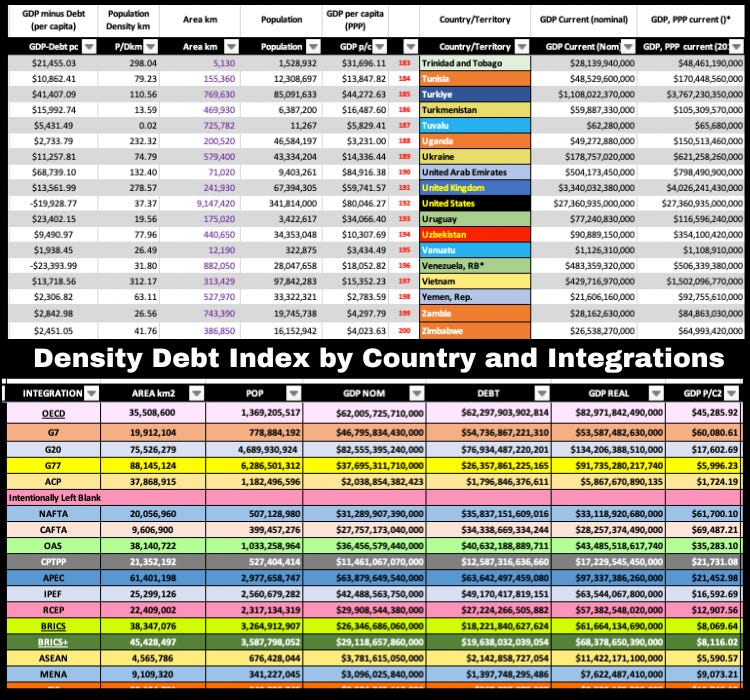
The working draft of our Density Debt Index (DDI) combines key factors that promote equalization within an ecological accounting framework. Population, area, and GDP are often cited as the most relevant variables, offering a comprehensive approach to valuing economic data. However, the inclusion of debt changes this dynamic, and if we are to pursue a new global order that is just and equitable to people and planet, then we need to include debt factors into our economic well-being.
In expanding this analysis, it is vital to articulate a broader understanding of how debt, development, and economic governance intersect within the frameworks of global power and equity. A Density Debt Index (DDI) is not merely a descriptive tool for ranking economies by debt per capita; it is a prescriptive lens that allows us to reimagine the ethical and practical consequences of debt burdens across diverse national contexts. Debt is both a tool and a weapon, shaping the trajectories of economies in ways that often exacerbate existing inequalities.
The Density Debt Index includes country, major territories, and various integrations
Debt in the Global Context: The Case of the United States
The United States presents a paradox within the global economy. As one of the most indebted nations by absolute figures, its economic dominance has largely shielded it from the adverse consequences typically associated with high national debt. This anomaly is underpinned by the dollar’s role as the global reserve currency, a status enshrined in its designation as a Special Drawing Right (SDR) by the International Monetary Fund (IMF). The dollar’s stability is not self-sustaining; it is buttressed by a basket of other major currencies, including the Euro, British Pound, Japanese Yen, and, more recently, the Chinese Yuan. The inclusion of the Yuan is emblematic of China’s rising influence and its pragmatic approach to ensuring global financial stability, even as it challenges U.S. hegemony.
The U.S. economy, in many ways, operates with a safety net woven by other nations. The IMF’s management of the SDR and the cooperative role of countries like China highlight the interdependence of modern financial systems. Yet, this interdependence is asymmetric. The U.S. wields its monetary and fiscal policies with impunity, often exporting the costs of its economic, geopolitical and environmental decisions to other nations, particularly those in the Global South. This inequity underscores the fragility of a unipolar economic order that privileges a single currency and economy over the collective well-being of the global community.
The Rise of Multipolarity and the BRICS Challenge
The 2008 financial crisis was a turning point that revealed systemic flaws in the neoliberal economic order. The crisis exposed the vulnerabilities of economies deeply embedded in deregulated financial markets and speculative capitalism. In contrast, several emerging economies, including China, India, and Brazil, weathered the storm more effectively due to their relative insulation from the neoliberal orthodoxy of the Washington Consensus.
This divergence laid the groundwork for the formalization of the BRICS bloc in 2014. BRICS—comprising Brazil, Russia, India, China, and South Africa—emerged as a cooperative framework aimed at challenging the dominance of Western-led institutions like the IMF and World Bank. The bloc’s initiatives, including the establishment of the New Development Bank (NDB), represent an attempt to create a multipolar economic order that prioritizes regional and local development over the extractive mechanisms of global financial capital.
The BRICS model emphasizes the sovereignty of nations over their developmental trajectories, offering an alternative to the conditionalities imposed by Western institutions. This vision aligns with the aspirations of the Global South, which seeks to rectify the structural imbalances perpetuated by decades of neoliberal policies. However, aligning with BRICS comes with significant risks, as evidenced by the backlash faced by nations that challenge Western hegemony. Sanctions, regime change, and negative media narratives are among the tools used to dissuade countries from joining alternative economic frameworks.
Debt as a Modifier of Economic Reality
Reconceptualizing GDP to account for debt factors offers a more nuanced understanding of economic health. When debt per capita and public debt ratios are considered alongside GDP, the disparities between nations like the U.S. and China become stark. For instance, while the U.S. boasts one of the world’s highest nominal GDPs, its per capita debt vastly exceeds that of China, which, despite its large population and significant public investments, has managed its debt within a framework that supports long-term development.
The DDI also exposes the inequities of debt in the Global South, where borrowing often comes with punitive conditions that strip nations of their sovereignty over labor, health, and environmental protections. The neoliberal order has weaponized debt to enforce compliance with free-market policies, deepening poverty and environmental degradation in vulnerable regions.
Reforming National Accounting Systems for Equity and Sustainability
National Accounting Systems (NAS) are foundational to how we understand and govern economies. Yet, their metrics, particularly GDP, remain deeply flawed. GDP measures aggregate production, consumption, distribution, and exchange but fails to account for the depletion of natural resources, the degradation of ecosystems, or the well-being of populations. It is a metric of growth, not progress, and its dominance perpetuates unsustainable practices.
Reforming NAS to incorporate measures of ecological biodiversity, social well-being, and resilience is not merely an academic exercise; it is a moral imperative. The System of National Accounts (SNA), governed by the United Nations Statistical Division, provides a platform for such reforms, but progress has been slow, hindered by the entrenched interests of advanced economies.
The Role of the BRICS+ System in Advancing Equity
The BRICS+ framework, which includes partnerships with non-member nations and regional organizations, offers a pathway to recalibrate the global economic order. By emphasizing localized development, ecological sustainability, and equitable trade, BRICS+ represents a counterbalance to the neoliberal model. Its success, however, depends on the collective resolve of its members and their ability to withstand external pressures.
A New Fulcrum for the Global Economy
The fulcrum of the global economy must shift from its current position, which disproportionately favors Western interests, to a more equitable center that reflects the realities of a multipolar world. This requires not only institutional reforms but also a reimagining of value itself. Debt, trade, investment, and development must be measured against metrics that prioritize human and ecological well-being over profit and power.
originally published on interglobalist.org for intemerate.earth. Consider subscribing to get access to the DDI and other articles that provide a unique geopolitical and economic perspective.
Ms Cynthia Rosah Bareagihaka, Spokesperson, Activist, Pacific Islands Students Fighting Climate Change.
The International Court of Justice’s hearings (2024 December 2) (txt) on the Obligations of States in respect of Climate Change, did something very powerful by framing climate in the context of political self-determination using the rights-based mechanisms of the UN Charter to ignite the intersections of international law and climate accountability. Despite growing legal recognition of the obligations states hold in preventing environmental harm, the persistent influence of economic self-interest and the selective application of international law—particularly by powerful nations like the United States—undermines meaningful solutions. The tension between legal frameworks, such as the UNFCCC, and their capture by monied interests demonstrates how climate governance has become entangled in systems that perpetuate inequality and post-colonial (now eco-neoliberal), ecological destruction.
Here are my summaries of the testimony by the government of the Republic of Vanuatu and representatives of the Melanesian Spearhead Group (MSG).
Ralph Regenvanu, representing Vanuatu and the Melanesian Spearhead Group, addressed the International Court of Justice, emphasizing the urgency of climate change and its existential threat to nations like Vanuatu. He highlighted the crisis caused by anthropogenic greenhouse gas emissions, underscoring the inadequacy of past actions to address this known problem. Regenvanu called on the Court to determine the legality of states’ actions contributing to climate change, pointing to violations of international law and the disproportionate burden placed on vulnerable nations. He stressed that only a few states are responsible for the majority of emissions, while nations like Vanuatu face severe consequences. The representative urged the Court to declare these actions unlawful, demand their cessation, and require reparations. He concluded by calling the case one of the most consequential in human history, imploring the Court to act decisively to protect future generations.
Attorney General Arnold Loughman of Vanuatu underscored the role of international law in addressing climate change and holding states accountable. He emphasized his constitutional duty to uphold the rights, freedoms, and sovereignty of Vanuatu, which are now under threat due to external actions. Despite Vanuatu’s negligible contribution to global emissions, the nation faces severe impacts that undermine its constitutional rights and self-determination. Loughman argued that states have clear obligations under international law to prevent environmental harm, reduce emissions, and uphold human rights. The failure of major emitters to meet these obligations constitutes a wrongful act. He called on the Court to affirm these violations and hold states accountable, stressing the survival of vulnerable nations like Vanuatu depends on decisive action.
Ilan Kiloe, speaking on behalf of the Melanesian Spearhead Group, highlighted the devastating impact of climate change on Melanesian communities. He described the cultural and spiritual unity of Melanesia, where people are intrinsically linked to their landscapes and ecosystems. Climate change has unraveled this connection, threatening the physical survival of communities and dismantling their governance systems, livelihoods, and cultural identities. Kiloe shared testimonies of loss from across Melanesia, detailing how climate change violates the right to self-determination, especially for colonized and non-self-governing peoples like the Kanak people of New Caledonia, West Papua, and Torres Strait Islanders. He stressed that the climate crisis perpetuates the historical injustice of colonial exploitation. Kiloe urged the Court to affirm the illegality of actions responsible for these harms and provide legal remedies to ensure the survival and dignity of Melanesian peoples.
Julian Aguon (Blue Ocean Law) emphasized the critical role of the right to self-determination in international law and how climate change violates this right. He described self-determination as fundamental, encompassing the right of peoples to determine their political status and pursue economic, social, and cultural development. Aguon explained how climate change has eroded self-determined ways of life in Melanesia, displacing communities, destroying resources, and threatening the existence of entire territories. He argued that states responsible for climate change have violated their obligations under international law, and self-determination must be understood dynamically to protect peoples at risk. Highlighting the cultural and spiritual significance of ancestral lands, Aguon called on the Court to reaffirm the rule of law and protect the right to self-determination for Melanesian peoples and humanity as a whole.
Professor Jorge Viñuales addressed the Court on the historical and ongoing failures of states to meet their obligations to prevent climate change and protect the environment. He outlined how a small number of states have contributed the majority of greenhouse gas emissions over the last 170 years, violating legal principles of due diligence and environmental protection. Viñuales cited international legal precedents affirming states’ obligations to prevent harm and reduce emissions. However, major emitters have expanded fossil fuel production and consumption, undermining these obligations. He described this conduct as a serious violation of international law, likening it to recognizing murder as unlawful while permitting genocide. Viñuales urged the Court to hold states accountable for their failures, emphasizing the catastrophic consequences for humanity and the planet.
Professor Margaretha Wewerinke-Singh focused on the legal consequences of states’ violations of international law related to climate change. She explained that actions such as issuing fossil fuel licenses and failing to regulate emissions constitute internationally wrongful acts. The principle of state responsibility requires that these violations have consequences, including cessation of harmful conduct, assurances of non-repetition, and reparations. Wewerinke-Singh emphasized the importance of holding responsible states accountable through proportional reparations, such as ecosystem restoration and compensation for irreversible harm. She highlighted the need for international cooperation to support small island states affected by climate change and to ensure justice. Wewerinke-Singh concluded by urging the Court to apply the law of state responsibility decisively to protect victims and address the global climate crisis.
Cynthia Houniuhi, delivered a heartfelt address on the existential threat posed by climate change and the failure of major emitters to act. Speaking as a custodian of her community’s ancestral memory, she emphasized the sacred connection between her people in the Solomon Islands and their land and environment. Climate change threatens to sever these ties, undermining their ability to protect the environment for future generations. Houniuhi criticized large-emitting states for perpetuating the crisis through fossil fuel production, turning international agreements like the Paris Agreement into tools benefiting polluters. She expressed the profound consequences of this inaction, jeopardizing the future of youth and vulnerable communities. Houniuhi called on the Court to hold major emitters accountable, restore hope, and guide humanity toward addressing this monumental challenge.
US withdrawal from the ICJ
As we have seen with the ongoing genocide in Palestine by Israel, the ICJ has no binding authority over countries that have either not ratified, or have withdrawn from the jurisdiction of the International Court of Justice , with the most prominent being the United States, which effectively ceased to recognize ICJ jurisdiction after the Court ruled against it in the 1986 Nicaragua case. The U.S. withdrawal and other similar actions by states illustrate a deep tension in international law: the ICJ’s authority relies on voluntary consent, meaning that countries can opt out if rulings conflict with their national interests. While the ICJ can issue binding rulings for states that accept its jurisdiction, those rulings lack enforceability for non-parties like the United States. This undermines the universality of international law and weakens global frameworks, particularly in addressing transnational challenges like climate change, where the United States is by far the largest offender of climate abuse.
The United States’ non-participation in ICJ proceedings creates a paradoxical imbalance. Other member states remain bound by ICJ rulings, potentially exposing themselves to legal obligations and reparative measures, while the U.S. operates outside this framework. Margaretha Wewerinke-Singh’s critique highlights how international institutions like the UNFCCC, intended as vehicles for collective action, have been compromised by large emitters and financial interests. This “capture” has turned these mechanisms into spaces that serve corporate and polluter agendas, sidelining meaningful reforms and diluting their capacity to hold states accountable. This is not a failure of international law or the UN Charter but rather the result of institutional weaknesses exploited by monied interests.
Climate Capture by the Investor-State
The capture of climate policy by the investor-state system is particularly significant. It reflects a broader phenomenon where binding trade agreements and investor-state dispute mechanisms frame climate action in terms of market-driven solutions like carbon credits, offsets, and trading schemes, ultimately reinforcing extractive systems. Intemerate accounting tries to offer solution-based approaches that circumvent the chokehold that the investor-state has on sound climate policy, offering a pathway to recalibrate this imbalance by shifting focus from these commodified metrics to ecological and social well-being. Unlike accounting schemes that can only monetize and exploit nature, intemerate accounting recalibrates the valuation of ecosystems based on their intrinsic and relational importance. By introducing variables that align economic activity with ecological restoration and community resilience, economies and corporations should be compelled to account for real-world environmental impacts rather than perpetuating harm through abstract legal frameworks.
From an international trade perspective, altering national accounting systems have transformative potential. It can reshape how climate financing and trade rules are structured, ensuring that resources flow directly to projects that enhance ecological stewardship rather than supporting extractive practices under the guise of “green growth.” By quantifying environmental and social costs within an accounting matrix, intemerate offsets might challenge the investor-state system to take accountability for its role in perpetuating ecological harm. This system could, for instance, redirect subsidies away from fossil fuel production toward regenerative initiatives or enforce liability for historical emissions through reparative trade and financial mechanisms. Furthermore, it introduces a voluntary participatory framework that empowers communities—especially in the Global South—to set their own ecological targets and define success on their terms.
Reset National Accounting
The intersection of international law and investor-state systems is critical. While institutions like the ICJ can theoretically declare the obligations of states under climate law, these enforcement gaps highlight the structural limitations of legal frameworks in confronting investor-state dominance. Programs like Intemerate accounting sidestep this gap by embedding justice and equity into the mechanisms of trade and investment, reframing climate action as a matter of ecological repair and social equity rather than market expansion. Moreover, it shifts the narrative away from profit-driven solutions to one rooted in solidarity with the most vulnerable communities, who have borne the brunt of climate change but have been sidelined in crafting its remedies.
Ultimately, the failures of frameworks like the UNFCCC are not inherent to international law but the result of systemic imbalances that privilege investor-state interests over ecological and social necessity. Intemerate accounting provides a way to redress these imbalances by challenging the investor-state system’s role in perpetuating climate inaction. It offers not only a critique of the current structures but also a forward-looking blueprint for transforming how we approach climate policy and trade in an era of ecological crisis.
Vanuatu is years ahead of other countries and the Melanesian Well-Being Indicators have already laid the foundation for how we account for Well-Being. Adjusting these indicators towards a value framework that can modulate national accounts is the next step.
BRICS+
The emergence of a new international trade currency by BRICS+ countries offers a transformative opportunity to reshape the foundations of global trade and finance. Unlike systems dominated by Wall Street and commodity markets, which often prioritize profit over people and exploit natural resources, this new paradigm can align trade practices with the intrinsic well-being of communities. By focusing on ecological markets that value resilience, environmental stewardship, and social equity, this shift could challenge the extractive systems that have historically dispossessed indigenous, poor, displaced, and vulnerable communities.
BRICS+ nations, with their diverse geographies and strong histories of treaty compliance, have the potential to champion a framework rooted in international law and ecological justice. This approach prioritizes long-term sustainability and the restoration of ecological systems over the short-term gains of resource extraction. Ecological markets in this context could redefine the metrics of trade, valuing not only the tangible outputs of communities but also their knowledge systems, biodiversity contributions, and cultural practices that sustain environmental health.
This shift toward ecological markets represents more than just an economic opportunity; it is a moral imperative. It challenges the neoliberal orthodoxy that places economic growth above all else and insists on a model of development that uplifts the most vulnerable. By decoupling trade currencies from exploitative commodity valuations, BRICS+ countries could pave the way for global economic systems that respect and protect the rights of indigenous and at-risk populations while fostering a healthier relationship with the planet.
Such a transition requires a robust regulatory framework to ensure that these markets are not co-opted by financial interests and remain rooted in the principles of fairness, equity, and sustainability. Intemerate accounting, with its emphasis on valuing ecological and social well-being, could serve as a cornerstone of this framework, ensuring that the new trade systems genuinely benefit communities rather than perpetuate cycles of dispossession and exploitation.
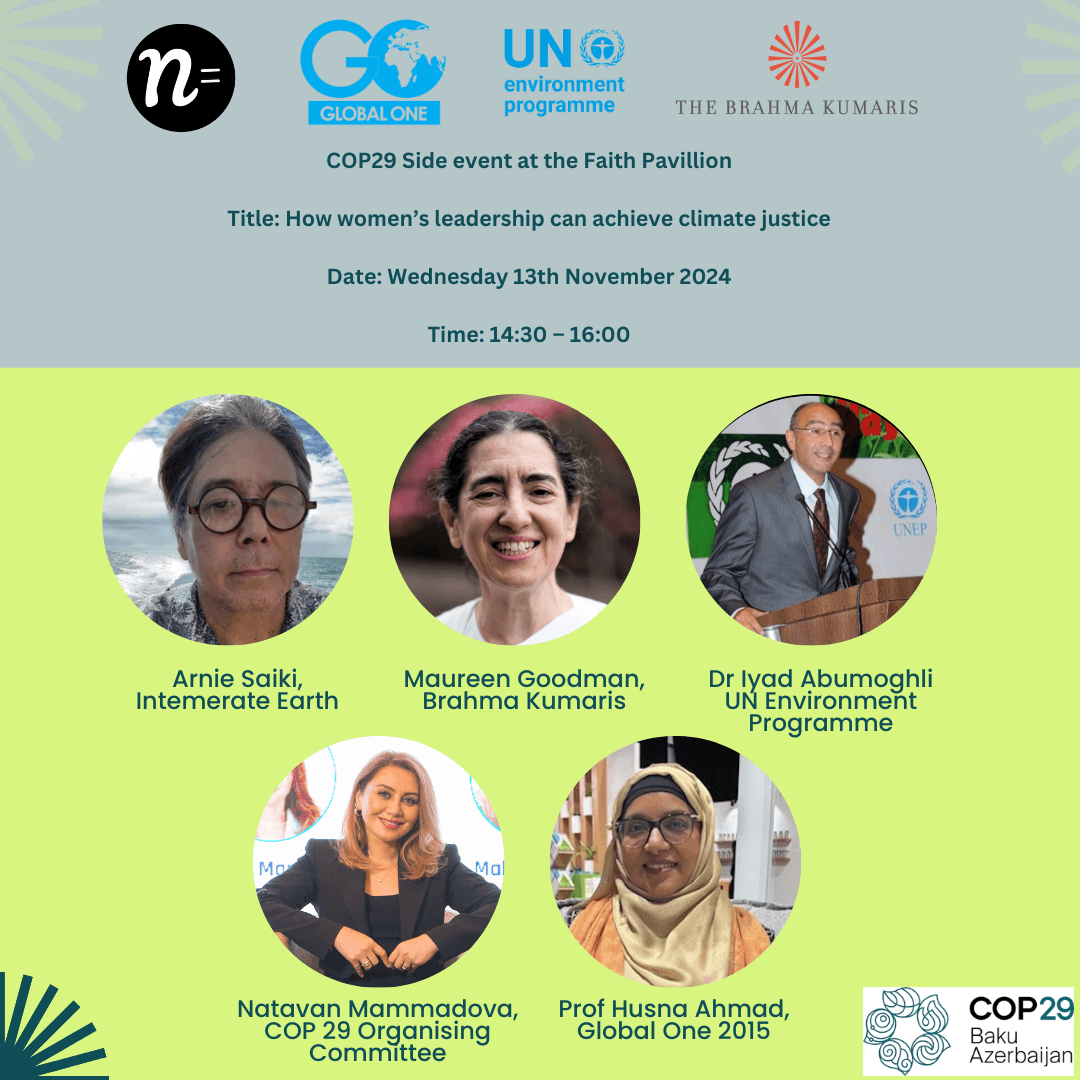
Husna Ahmad’s Global One panel. The theme of dignity and empowerment is so important right now. Yes, Women’s leadership can achieve climate justice…
This is a truncated seven-minute version of my prepared presentation (without the expletive, haha)
“Harnessing the Tide: Keep your fucking Yachts (Because Lifeboats Are for Ecosystems, Not Economies, stupid)”
I recently facilitated the Ecological Accounting and Resilience Development Program for a group of 35 young academics attending the Pacific Theological College in Suva, Fiji. These students, many of whom have been sent by their respective communities across Fiji, represent the future of local data stewardship in the region. They were equipped with the deep cultural knowledge, processes of protocol and reciprocity, and community-centered practices that have long guided their peoples’ interactions with their environments.
Our work together centers on building the skills and frameworks necessary for these students to steward their communities’ ecological data—data that reflects local realities, values, and knowledge systems—while safeguarding it against the forces of data colonialism. This stewardship is more than just a technical skill; it’s a practice rooted in the protection and empowerment of their communities, ensuring that any data collected is governed and created in alignment with local protocols.
The aim of this program is to facilitate students to merge local data development with international standards when beneficial, or, just as importantly, to develop their own standards of data collection, stewardship, and governance. In doing so, they are creating systems that not only serve their communities but defend against the predatory data practices of trillion-dollar corporations like Amazon, Meta, Google, and other international agencies working in cooperation with Big Conservation and even Departments of Defense. These companies and agencies often impose top-down data practices that strip communities of their ownership and agency over local ecological knowledge.
The Pacific is no stranger to these global forces, and our goal is to ensure that these young academics can return to their villages as data stewards, armed with the skills and knowledge to protect their communities from exploitation and ensure that data is used for community resilience, sustainability, and self-determination.
As we begin to reflect on the broader systems that dominate global economics, it becomes clear that the very frameworks used to define growth and progress—like GDP and carbon credits—are deeply flawed. These metrics, which are still widely used to guide international policy and investment, fail to capture the true wealth of nations, particularly those like Fiji and other Pacific Island nations really the Global South as a whole, where communities have historically stewarded their environments for generations. This is where the concept of intemerate accounting offers a much-needed alternative…
And let me be clear—this is an accounting methodology that should benefit all impacted, displaced, at-risk, or vulnerable peoples, whether from war, climate disasters, or other systemic challenges. While we are launching this initiative in Fiji with the Pacific Theological College, the principles of this work apply across the Global South and beyond, with a specific focus on those who are struggling against systemic racism and violence, even within the advanced economies. These populations, whose resilience is continually tested, deserve an accounting system that reflects their real contributions to ecological and social well-being, not just market value.
Today, we find ourselves at the intersection of two critical global crises—ecological degradation and socioeconomic inequality. Many of the strategies we’ve developed to address these issues, particularly through GDP, carbon credits, and large-scale environmental accounts, are fundamentally flawed. This is not just a moral critique but a well-established structural problem that both reinforces inequities and undermines true ecological restoration.
We live in a world where metrics like GDP determine how “successful” or “developed” a nation is. GDP measures market transactions, but it does not account for well-being, environmental degradation, or the value of communal stewardship. In fact, if an oil spill happens, GDP rises as the cleanup costs are included as “growth.” But who does this growth benefit? And more importantly, what is it costing the planet and the communities most impacted by these disasters?
Take the carbon credit market. It seems like a straightforward solution—put a price on carbon emissions and incentivize industries to reduce pollution. But what happens when we turn these carbon credits into commodities? The very logic of commodification is the problem. This approach is a continuation of the same neoliberal, extractive mindset that has historically marginalized indigenous, peasant, and migrant communities. Instead of addressing the root causes of ecological destruction, it merely repackages them into market-friendly mechanisms.
We see the same logic applied to top-down investment strategies in environmental accounting. Large financial institutions and conservation NGOs often frame themselves as saviors of the planet, deploying billions of dollars to preserve “natural capital.” But let’s critically examine this term—natural capital. When we label ecosystems, forests, oceans, and even human communities as “capital,” we are fundamentally reducing them to commodities that can be owned, traded, and exploited. This is nothing less than an extension of data colonialism—a process where big conservation efforts manage and account for large swaths of blue and green data, not for the benefit of the land, sea, or people, but for the accumulation of data as wealth.
Local communities, especially in the Global South, are often left out of these discussions. Worse, their data—whether it’s knowledge of the environment, biodiversity, or climate resilience—is extracted without proper consent and used to generate profits elsewhere. This practice echoes the historical exploitation of colonial resources. What we need instead is a framework that champions local data sovereignty.
Local Data Sovereignty means that communities should own and control their data, especially when it pertains to environmental knowledge and biodiversity. They must have the power to decide how that data is used, who can access it, and how it contributes to their own development and resilience. This is where intemerate accounting comes in. Unlike GDP or carbon credits, intemerate accounting doesn’t commodify the environment. Instead, it measures the interactions of communities with their ecosystems in a holistic way, focusing on resilience, well-being, and sustainability rather than market-based profitability.
Let’s move away from the commodifying nature of current environmental strategies and consider an alternative: translocal data markets. These are markets not based on the buying and selling of environmental assets as commodities but rather on the reciprocal exchange of data, knowledge, and resilience between communities. Imagine a system where communities are able to share insights, build networks of resilience, and develop adaptive strategies that are recognized and rewarded—not in financial terms, but in terms of infrastructure, access to sustainable resources, and the ability to maintain ecological stewardship.
In contrast to the current push for “big conservation,” where large organizations dictate what lands or waters are worth saving, we argue for a more democratic and decentralized approach. These organizations often control vast swaths of blue-green data—oceans, forests, and wildlife—without recognizing the communities that have lived alongside these ecosystems for centuries. This is where the impulse to hoard data for wealth accumulation begins to resemble a form of colonialism, the exploitation of knowledge and natural assets for the benefit of a global elite.
We must resist this tendency by ensuring that the voices of indigenous, peasant, and marginalized communities are at the forefront of ecological accounting. Free, Prior, and Informed Consent (FPIC) must be central to any data-gathering process, ensuring that communities not only consent to how their data is used but also benefit from its application. This is a fundamental component of data sovereignty.
The Intemerate Equation offers a framework for this type of ecological accounting. It isn’t about adding nature into a market equation but creating an entirely new equation that balances economic development with ecological and social well-being. It measures well-being not in terms of growth but in terms of resilience, community interaction, and environmental restoration.
In this new framework, data is not a commodity to be traded but a resource for building translocal solidarity. By sharing data across communities—whether it’s knowledge of water management, sustainable agriculture, or disaster preparedness—we can build systems that are resilient, regenerative, and just. These translocal data markets are not for-profit exchanges but platforms for collaboration and mutual aid.
In conclusion, if we are serious about addressing climate change and restoring ecological biodiversity, we need to rethink our entire approach to environmental accounting. GDP, carbon credits, and top-down conservation efforts only perpetuate the same systems that caused these crises in the first place. Instead, we must look to intemerate accounting, local data sovereignty, and translocal data markets as ways to truly honor the knowledge, resilience, and stewardship of marginalized communities. These are the solutions that can help us build a future where equity, sustainability, and regeneration are at the center of our economic and ecological practices.
In conclusion, the Intemerate Equation offers a transformative path forward that addresses many of the fundamental flaws in current national accounting methodologies.
In the discourse on development, equity, and human/indigenous rights, the focus has long been on tangible resources such as land, water, and cultural heritage, as these are vital to the identity and survival of communities. However, there is another equally crucial asset that has often been overlooked in this list of critical issues: DATA. Providing the ability to control and manage data about one’s community is not merely a technical matter—it is an issue deeply intertwined with the autonomy, cultural integrity, and economic security of indigenous peoples.
The Invisibility of Data Theft
Indigenous communities worldwide have historically faced a range of injustices, from the theft of land to the suppression of languages and cultural heritage. Today, in an era dominated by digital technologies and information flows, a new form of dispossession is taking place: the expropriation of data. Unlike land or water, the theft of data is less visible and equally as insidious, occurring through backdoor financial channels and information cabals. This kind of theft is perpetrated by entities that capitalize on the asymmetries of power and knowledge, further entrenching the marginalization of indigenous communities.
Data about indigenous lands, resources, cultural practices, and even genetic information has immense value in global markets. From pharmaceutical companies seeking genetic materials for drug development to tech firms mining data for artificial intelligence algorithms, indigenous knowledge and resources are often commodified without consent or fair compensation. This modern form of exploitation is facilitated by the absence of robust frameworks that recognize and protect the data sovereignty of indigenous peoples.
Understanding Local Data Sovereignty
Local data sovereignty refers to the right of indigenous communities to control the collection, ownership, and use of data related to their lands, resources, and cultural practices. This concept is not merely about privacy or security in the digital sense. It is about self-determination and ensuring that data is used in ways that are consistent with the community’s values, priorities, and aspirations. It is about preventing the unauthorized use of data that could lead to exploitation, misrepresentation, or harm.
Emphasizing the responsibility and opportunities available to individuals and communities to steward indigenous or customary interactions with our environments, the value—including potential market values—should not be determined by investment regimes furthering their neoliberal ambitions. Local data sovereignty, in this light, empowers indigenous communities to determine how data is used and ensures that this data serves their development goals rather than being weaponized against them.
Further, at this time, we do not know what the future of data markets will look like, but what we know from generations of experience, is that capitalism exploits, privatization is a weapon, and indigenous and poor peoples remain dispossessed from accessing infrastructure and benefitting from their own capabilities and technologies.
When we consider that the World Bank has valued Natural Capital at over a $100 trillion dollars, and that Natural Capital is measured as environmental data, we should be concerned that the future direction of the global economy has the potential for capitalizing on the very data that we are relinquishing to foreign management in the Carbon trade or under reinsurance schemes framed as Loss and Damage. And while those numbers may seem alluring, values this high will invariably alienate people and communities from their environments, further entrenching peoples to become rentiers on their own lands.
Resist Data Colonization
Without local data sovereignty, indigenous communities are vulnerable to what can be termed “data colonization.” This occurs when external entities extract data without consent, often under the guise of research or development assistance, only to use that data to their advantage. Such practices are reminiscent of historical colonial exploitation, where the wealth of colonized lands was extracted for the benefit of colonial powers. Today, the resources being extracted are knowledge and data, with similar dynamics of power imbalance and exploitation at play.
Data colonization not only deprives indigenous communities of potential economic benefits but also undermines their cultural and political autonomy. For instance, the misuse of data could lead to misrepresentations that distort cultural narratives or undermine traditional practices. In extreme cases, data on indigenous resources could be used to facilitate land grabs or environmental degradation, further threatening the survival of these communities.
The Role of WIPO, FPIC and Cultural Heritage
The principle of Free, Prior, and Informed Consent (FPIC) has been established as a fundamental right of indigenous peoples in international law, ensuring that they are fully consulted and give their consent before any project affecting their lands or resources is initiated. However, FPIC must also be extended to data governance. Indigenous communities should have the right to consent to or refuse the collection and use of their data, and they should be involved in decisions about how their data is managed and shared.
Furthermore, just as cultural heritage—such as traditional knowledge, languages, and sacred sites—requires protection, so too does data. Data related to cultural practices, biodiversity, traditional knowledge, and even social structures are part of the collective heritage of indigenous communities. Protecting this data from unauthorized access and misuse is integral to preserving cultural heritage and preventing its appropriation or distortion by external actors.
In May 2024, the World Intellectual Property Organization (WIPO) treaty was signed. For decades rules over Intellectual Property were hotly debated and remained a central sticking point in international trade agreements. This new WIPO treaty was seen as a big win for Indigenous Peoples, Traditional Knowledge and Cultural Expressions. However, the United States insisted on the wording of the final text of the treaty which undermined the ability of countries to invalidate patents made with indigenous resources. For example, there has to be proof that theft occured, yet patent applicants do not need to disclose the origins of biogenetic material. There are so many back doors to cultural and biogenetic theft, including the fees to bring US corporations to courts. Small Pacific Island governments for example cannot even afford the legal costs to even bring this to court.
Towards a Just Framework for Local Data Sovereignty
To address these challenges, there must be a concerted effort to develop legal and policy frameworks that recognize the data sovereignty of indigenous peoples. This involves not only securing legal protections at the national and international levels but also supporting indigenous communities in building their own data governance capacities and their own local data markets.
Efforts to enhance local data sovereignty should prioritize:
Providing technical assistance and educational resources to help indigenous communities manage their data securely and independently.
Ensuring that national and international laws recognize that data sovereignty must be protected and data or digital transparency initiatives written into trade and investment agreements are rejected or withdrawn. As with many trade agreements, mechanisms for enforcement are expensive and many countries cannot even afford to withdraw from these agreements.
Promoting partnerships that respect indigenous autonomy and support co-governance models for local data stewardship with the free, prior, and informed consent of participating communities.
Developing mechanisms to hold corporations, researchers, and governments accountable for unauthorized data use or breaches.
The importance of local data sovereignty for indigenous peoples cannot be overstated. It is a fundamental right that underpins their autonomy, cultural integrity, and economic security. Just as we recognize the need for indigenous control over land, water, and cultural heritage, we must also recognize our rights to control data about our communities. By doing so, we can help prevent the theft of indigenous properties and knowledge and promote a more just and equitable digital world.
In this pursuit, it is vital that we move beyond mere recognition of these rights to actively support the capacities of indigenous communities to exercise them. Only then can we ensure that the benefits of the digital age are shared equitably and that the historical injustices faced by indigenous peoples are not perpetuated in new, digital forms.
In the Book of Genesis, God created the first humans, Adam and Eve, and placed them in the Garden of Eden, instructing them not to eat from the Tree of the Knowledge of Good and Evil. A serpent tempts Eve to eat the forbidden fruit, and she shares it with Adam. As a result, they gain knowledge of good and evil, realize their nakedness, and are subsequently expelled from the garden by God as punishment for their disobedience. As a foundation of the Abrahamic religions, this story introduces sin and mortality into how we perceive the human experience.
Even Adam and Eve preside over the intemerate accounting matrix.
Recently, I attended a service at my home church where the minister deconstructed the Adam and Eve story through a series of thought-provoking “what ifs.”
The Adam and Eve story, among all the tales in the Genesis chapter of the Bible, has always struck me as tedious. So, it was quite surprising to find myself riveted by the litany of “what ifs” our pastor presented.
What if Eve hadn’t eaten the forbidden fruit? What if Adam had eaten the fruit first? What if the serpent had not tempted them? What if God had not placed the forbidden tree in the garden? What if Adam and Eve had repented immediately? What if multiple forbidden trees existed? What if the Garden of Eden had no boundaries? What if other beings existed in Eden?
These “what ifs” transform the story, altering the foundation of what we think we know about free will, knowledge, morality, and the human condition. The alternative scenarios reveal how fluid and arbitrary some of the rules we take to be self-evident truly are.
In Paulo Freire’s “Pedagogy of the Oppressed,” he emphasizes that the “True Word” is one of both reflection and action, inseparable from praxis. To speak a true word is to transform the world. This resonates deeply with me, especially in the realm of sacred texts. It suggests that what we are often taught about the human condition can be arbitrary, constructed, or even deceptive, shaped by the actions and decisions of political or economic power, and not as something inscribed in stone.
What motivates the Original Sin is not the logic of a divine being, but rather a specific tribe whose historical actions have utilized the construct of disobedience toward the justification of dispossession, genocide, and theft. This cleaving of good and evil has not only undermined civilizations, countries, and regions, but it also continues to treat our differences as a categorical imperative–an “us versus other” mentality–thus betraying our very existence by alienating us from nature.
In the face of rapid climate change, we must question the perpetuation of a status quo where Nature itself is devoid of the same rights we demand of ourselves. The continued marginalization and oppression of women, people of color, indigenous peoples, migrants, refugees, the homeless, and the incarcerated reflect a broader systemic injustice, one that overlooks the profound interconnectedness of ecological and social well-being. “Intemerate” describes our biodiversity, capturing the essence of immaculate conception and virgin birth—a creation of science, spirit, and the divine.
When we consider biodiversity, our oceans, and the entire interconnectedness of our planet, we see a creation that is wonderfully benevolent, violently robust, and immaculately conceived. Its very existence is the true work of the divine that we can measure. How we interact with our environment, recognizing its sacredness and inherent value is the true word we must speak and live by.
So, how then should we understand our economy? Should it be seen merely as a series of self-interested actions, or can it be something more? Our economy needs to address the fundamental: the inequality between the Global North and South and the inequality within countries. We need to ensure equal access to wealth and infrastructure. This is something tangible we can start with.
What if Adam and Eve cared for an Intemerate Apple…
In the archetypal narrative of the Garden of Eden, we encounter a primordial setting where the first humans, Adam and Eve, reside. This Garden epitomizes an ideal state of existence, wherein all coexist in interdependence, sustained by an intrinsic ecological and moral equilibrium.
At the heart of this garden lies the “Intemerate Apple,” hanging from the Tree of Knowledge. This apple, glowing brightly, signifies the Garden’s network between all things, symbolizing sustainability and resilience.
This luminescence not only signifies the balance of the natural world but also represents the foundational principles of communicative action and mutual aid that underpin the societal ideals of cooperation and coexistence.
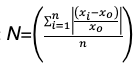
This harmony was not merely a matter of divine intervention but was encapsulated in a special value, n=(xi–x0), representing the difference between ecological and anthropogenic conditions of the environment. The balance of the Garden was thus a dynamic interplay between various factors, a concept that Adam and Eve were entrusted to understand and uphold.
God assigned them the responsibility of tending to the Garden, ensuring its continuous flourishing. To aid them in this task, God provided the intemerate formula:
This formula was not merely a cryptic incantation but a sophisticated mechanism to measure and maintain the Garden’s equilibrium. In this narrative, the Garden of Eden was an early exploration of sustainable management, where the health of the environment is directly tied to the stewardship of its inhabitants. Adam and Eve’s role was not passive but active, requiring constant vigilance and understanding of the intricate balance that defined the Garden. This story thus underscores the importance of knowledge, responsibility, and the interdependence between human actions and environmental outcomes, themes that resonate deeply with the principles of ethical and sustainable development.
Explanation of the Equation
Each day, Adam and Eve would measure various aspects of the Garden’s well-being. This included the health of the plants, the purity of the streams, the happiness of the animals, and the quality of the soil. Each of these measurements was represented as xi, where each i represented a different aspect of the Garden.
xi: Each data point xi represents a specific measurement related to well-being or environmental conditions. For example, this could be an indicator such as air quality index, water purity levels, biodiversity counts, or measures of social well-being like happiness, health metrics, etc.
The Intemerate Apple glowed with the ideal value x0, representing the perfect state of the Garden’s well-being.
x0: The reference value x0 represents the baseline or target value that reflects a desirable state of well-being or environmental condition. This could be a historical average, an established target for restoration, or an optimal level defined by elders, experts, and the community.
Each day, Adam and Eve would calculate N to see how well the Garden was balanced. If N was small, it meant the Garden was close to the ideal state, and the Intemerate Apple glowed brightly. If N was large, it indicated bigger deviations, and the Apple’s glow dimmed, signaling areas that needed their attention.
Division by n: The total number of data points collected over a period or across different locations. For example, this could be the number of days over which data is collected or the number of locations being monitored.
By dividing the total relative deviations by the number of data points, we obtain the average relative deviation. This provides a normalized measure of how much, on average, the observed values deviate from the desired baseline. This single number N indicates how much, on average, the Garden’s well-being differed from the ideal balance.
One day they noticed that some plants were wilting (x1), the stream seemed a bit cloudy (x2), and the birds were quieter than usual (x3). When they calculated N, it was higher than usual. This told them that the Garden’s balance was disturbed.
To restore equilibrium, Adam and Eve took specific actions: For the wilting plants they adjusted the watering schedule and added compost to the soil. For the cloudy stream they cleared debris and ensured it flowed freely. For the quiet birds they provided more food and created additional nesting areas.
After these efforts, they measured the Garden again, finding improvements. When they recalculated N, it was much smaller, and the Intemerate Apple glowed brightly once more.
Then, as the season changed, Adam and Eve faced new challenges. One summer, a drought threatened the Garden’s water supply. The streams dried up (x4), plants began to wilt more frequently (x5), and the animals grew thirsty (x6). When Adam and Eve calculated N, it was alarmingly high, indicating a significant deviation from the ideal balance.
Once again, Adam and Eve took immediate action: They implemented water-saving techniques, such as mulching around plants to retain moisture and creating shaded areas to reduce evaporation. They dug new wells to tap into underground water and created rainwater harvesting systems. They set up water stations throughout the Garden to ensure all creatures had access to fresh water.
To prevent future imbalances, Adam and Eve even implemented several proactive measures. They diversified their planting to include a variety of crops and plants that were more resilient to different weather conditions, ensuring that some plants would thrive regardless of the climate. They adopted sustainable practices, such as crop rotation, composting, and natural pest control, to maintain soil health and reduce reliance on external inputs. They set up simple monitoring systems to more effectively track weather patterns, soil moisture, and animal behavior. This helped them anticipate potential issues before they became serious problems.
Summation :
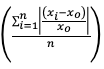
Adam and Eve would add up all the deviations from the ideal balance. The absolute value of each deviation (so it didn’t matter if it was above or below the ideal) showed how far each aspect was from the perfect state.
This part of the equation calculates the total relative deviation of each data point from the reference value. The absolute value ensures that deviations are considered regardless of direction (whether they are above or below the baseline). Essentially, this measures how much each data point differs from the optimal or desired state.
Through this continuous process of observation, calculation, and action, Adam and Eve learned to maintain the perfect balance in the Garden of Eden. They understood that monitoring their surroundings, recognizing deviations from the ideal, and taking appropriate actions were essential for preserving harmony. Additionally, they understood the importance of preparing for and adapting to changes in their environment. They realized that maintaining balance required not just reactive measures but also proactive planning.
The Snake
One afternoon, as Adam and Eve were diligently tending to the Garden of Eden, they encountered a viper coiled around the Tree of Knowledge. This viper, however, was no ordinary snake; he was an emblematic figure of eco-neoliberalism, known for his enticing yet deceptive promises.
The viper approached Eve with a cunning smile. “Why toil so hard, dear Eve?” he hissed. “Why struggle with endless measurements and adjustments? I have a solution that will make your life easier and the Garden more perfect without all the hard work.”
Eve, curious but cautious, inquired, “What is this solution you speak of Serpent?”
The snake unveiled a beautifully packaged potion called “NatureGuard Carbon Solutions™.” “This elixir,” he claimed, “is made from the finest ingredients and imbued with the secrets of nature’s true value. One sip, and you will gain the knowledge to make the Garden self-sustaining. No more daily measurements, no more adjustments. Just eternal harmony.”
Intrigued yet wary, Eve asked, “How does it work?”
The snake explained, “NatureGuard Carbon Solutions™ taps into the latent powers of the Garden, optimizing every aspect of it. Plants will grow abundantly, animals will be happier, and the streams will flow cleaner than ever. It’s a quick fix to all your problems, bypassing the need for constant effort.”
Sensing their hesitation, the crafty snake proposed an even more enticing offer. “Why not let me manage the Garden for you? I have extensive experience and know exactly how to maintain and even enhance its beauty. You can relax and enjoy the fruits of your labor without the daily grind.”
Adam, still suspicious, asked, “And what’s the catch?”
The viper, slithering closer, replied, “There is no catch. We have a 30-year plan, and I will ensure the Garden thrives. All you need to do is sign this agreement, granting me the authority to manage the Garden. In return, I will streamline the equation and make exclusive areas where only the best plants grow and the purest water flows. These areas will be managed to ensure their protection and optimal use.”
Adam pondered the offer. The idea of having a perfectly managed Garden without their constant efforts was tempting. But Eve recalled the lessons they had learned about balance and hard work. They turned to each other, sharing their concerns. “What if this leads to exclusion and inequality among the creatures of the Garden? What if the harmony we’ve worked so hard to maintain is disrupted by privatization and exclusion?”
Adam and Eve decided to seek counsel from the Intemerate Apple. They measured the current state of the Garden and recalculated N, the special value representing their balance. They saw the progress they had made through their efforts and the true equilibrium they were achieving. They realized the Intemerate Apple’s glow was a testament to their diligence and dedication.
Rejecting the Serpent’s offer, Eve said, “We appreciate your offer, but we trust in the guidance we’ve received and the efforts we’ve put in. True equilibrium cannot be bought or taken lightly. It must be earned through continuous care and respect for the Garden.”
The snake slithered away, hissing in frustration, while Adam and Eve continued their work. They understood that the path to true balance and harmony was not through quick fixes or easy solutions, but through ongoing diligence, learning, and adaptability.
This version of Adam and Eve illustrates that achieving and maintaining harmony requires more than mere effort—it demands the wisdom to recognize and reject false promises of easy solutions. The eco-neoliberal viper symbolizes the allure of shortcuts and the perils of forsaking sustainable practices for immediate gains.
By regularly assessing their environment, understanding deviations, and taking proactive and thoughtful steps to address issues, Adam and Eve created a sustainable and resilient world. Their journey reminds us that equilibrium is a continuous process, one that necessitates commitment, respect, and a mutual connection to the natural balance around us. Rejecting privatization and exclusion, they embraced the values of inclusivity and stewardship, ensuring that the Garden of Eden remained a paradise for all its inhabitants.
This equation provides a useful summary measure of how well current conditions align with desired goals, whether in terms of social well-being or environmental health. By averaging the relative deviations from a baseline, it offers a clear, interpretable metric for assessing progress and identifying areas needing improvement.
The Relevance of Indigenous Knowledge and Rights of Nature for Responding to Climate Change
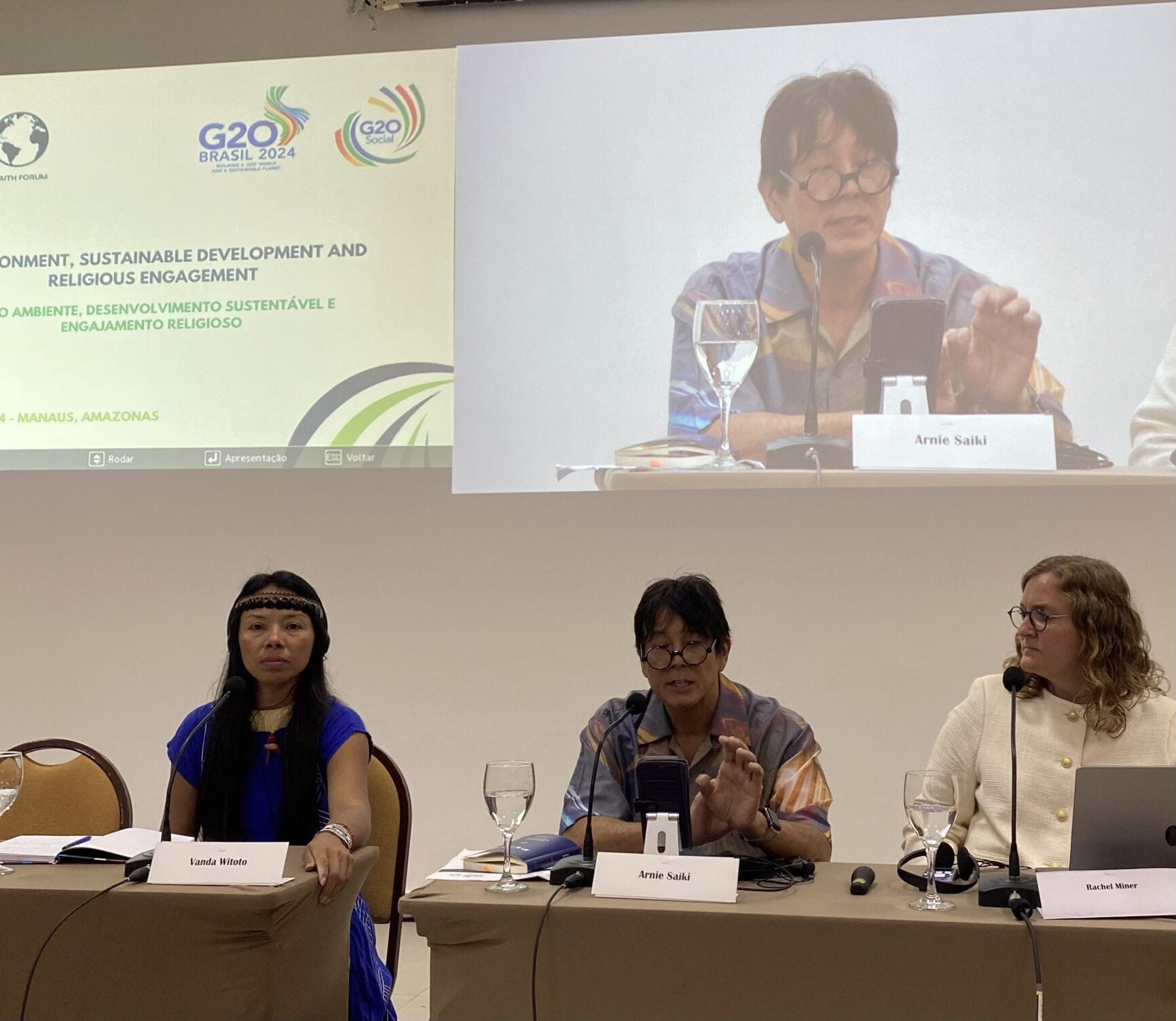
Workshops on Environment, Sustainable Development and Religious Engagement June 18, 2024. G20 Interfaith Forum
I’d like to welcome you all this morning with a deep breath and a stretch and thank the IF20 organizers for inviting me to participate and to introduce myself and the work that I am doing with the Pacific Theological College on resilience and ecological accounting.
Last week, the Pacific Festival, the largest celebration of indigenous Pacific Islanders, took place for the first time in Hawaii. In a side event, the Protecting Oceania conference took place, addressing issues around militarization, indigeneity, and struggles against extractive industries, resource depletion and neoliberal privatization. It was organized by friends and colleagues, including PTC, Pacific Theological College.
I was planning on addressing the Pasifika issues here, but I suspect that in the context of the Amazon, you will already know them. Even though I am in a different place with a different name, I think it is the same struggle against the same face.
I am the director of Intemerate Earth, a non-profit that is addressing national accounting issues from the perspective of ecological economic accounting and local data sovereignty.
People ask what is Intemerate? What is intemerate accounting? I’ll talk about this more later, but the word intemerate means sacred or sacrosanct, and I chose that world because of its association to describe immaculate conception and the miracle of the virgin birth. Intemerate is something you cannot put a monetary price on, and this is how we should value nature and our ecological biodiversity, treating it as sacrosanct.
I am also a curriculum writer and teaching at the Pasifika Communities University in Fiji. This course is part of an accredited degree program in the School of Sustainability and Resilience Development, and it intersects community consultation with indigenous and customary Pasifika epistemologies deeply rooted in decolonization and self-determination. This program was developed to prepare graduates with a professional degree that will help transition Pasifika economies towards Resilience and Sustainability.
I’ve been asked to talk about the Rights of Nature, Ecological Accounting, and its Relevance to Indigenous Knowledge.
In yesterday’s “paths to prosperity” panel was excellent in that there was a recognition of the need of data and its relationship to the bio economy. Patricia Gomes said it was impossible to have investment without data, but my presentation demands that we recognized who the stewards of this data should be. So, to some this presentation might be very disruptive. And if it is, I hope this presentation expresses why it should be.
National accounting systems influence global economics, yet activism against these systems has been minimal. The UN Statistical Division’s lack of Global South representation must change.
Historically, national accounting evolved to justify the expansion of Empires; it was national accounting that justified the oppression of women, slavery, and genocide. National accounts were used in trade statistics, currency valuation, war statistics, weapons development, and it should be common knowledge by now that those who control national accounting systems control the global economic system.
What I propose is that by integrating well-being, environmental sustainability, and social equity into national accounts, we can transform both ecological and economic systems. How we account for our ecology is as much about ecological justice as it is about economic justice.
This realization was a revelation. It underscored the profound influence of national accounting systems on global power dynamics and social injustices.
Yet, despite the critical importance of these systems, there was not a lot of activist campaigning directed at the UN System of National Accounts where this system is harmonized.
PTC and the senior advisor at Pacific Island Forum Secretariat both responded to this accounting disconnect and we began developing this program. At that time, the ecological accounting program was central to the development of the Blue Pacific Framework. However, shifts towards neoliberal data accumulation have since emerged.
PTC and the Pacific Conference of Churches that really embraced this work and included it in the Reweaving the Ecological Mat program, and it was through a series of intensive discussions with regional and community leaders that this work was supported.
They published my book Ecological Economic Accounts: Towards Intemerate Values, which I plan to rewrite to include the village consultations and the curriculum.
In one of the remote village consultations we discussed the value of ancestral bones. It was inconceivable that anyone would try to put a value on their bones or try to own them or manage them. Bones are sacred, they have an intemerate value. Recognizing that there is a deep cumulative knowledge—a past, present, and future—going back to their own creation stories with genealogies that are so rich in data that protecting this data had to become the primary focus.
Losing Indigenous data to data transparency initiatives being written into legally binding trade agreements could lead to over a hundred trillion-dollar theft if we consider that is what the World Bank has valued Natural Capital at.
When I say a hundred trillion, I must let that sink in. If one trillion is a thousand billion then a trillion is also a million million. S0 if we consider Natural Capital as being valued at a hundred trillion that is I think a hundred thousand billion, and after that I lose count. And while this number is so big and incomprehensive what happens when we apply this number to debt?
The United States has a 36 trillion dollar public debt, the combined OECD economies have a 64 trillion dollar debt. The rest of the G77 have a combined debt of maybe 45 trillion dollars and the Africa, Caribbean, Pacific region with the lowest development index have a combined debt of around 4 trillion dollars. These are the kinds of trillions we are talking about and so when it comes to ecological accounting and the value of natural capital, I cannot help but wonder if Natural Capital estimates are being measured against our national debts.
It’s okay if it is, as long as we understand the valuation process, but if we do not know that data accumulation is equal to wealth accumulation, then we are prey to become victim of yet another resource theft.
When we consider that Data, especially in ecological economic accounting, should be entered and counted only once to ensure accuracy and reliability, we must understand that this principle prevents inflation or distortion of values, which is crucial for creating a true representation of ecological and economic interactions.
Double counting can occur when the same data point is recorded multiple times across different categories or sectors. For example, if carbon sequestration by forests is counted in both the forestry and carbon offset sectors, it can lead to an overestimation of carbon sequestration capabilities. So if we do not own our data, and national accounting systems adopt the Natural Capital program, we will quickly be priced out of benefiting from our ecological stewardship and our access to wealth and infrastructure and development capabilities will be no different from what they are now—except worse—because we lost the opportunity to equalize how we value our environmental data. Hence the G20 is precisely the forum to be discussing this.
When we consider the biodiversity of the Amazon, like our own Pasifika region, and the entire interconnectedness of our planet, we see a creation that is wonderfully benevolent, violently robust, and immaculately conceived. Its very existence is the true work of the divine that is measurable but resists monetary valuation. The Amazon rainforest, for instance, is a testament to nature’s ability to create and sustain life in its most diverse and complex forms. Our oceans, covering the majority of the Earth’s surface, are teeming with life and are critical to regulating our climate and supporting marine ecosystems.
How we interact with our environment, recognizing its sacredness and inherent value, is what we must speak and live by. This means advocating for policies that protect and preserve our natural world and rethinking our economic systems to prioritize sustainability and ecological health. It requires a fundamental shift in how we view our relationship with nature, from one of domination and exploitation to one of mutual aid and reciprocity.
Since 1972, the concept of the Rights of Nature has been incorporated into legislation, court rulings, and constitutional amendments in several countries. Ecuador was the first to constitutionally recognize these rights, stating that nature has the right to integral respect for its existence and maintenance of its life cycles.
I’m not an attorney but I often hear about court rulings that favor the environment but that there is a lack of enforcement that renders decisions ineffective, highlighting the need for robust mechanisms to uphold these legal victories. We also hear about binding trade agreements where states can impose sanction power to enforce the rights of corporations over the rights of people and the environment.
So while the Rights of Nature have been recognized legally in various jurisdictions, why is there a lack of enforcement to bring violators to justice? Without governmental commitment and robust enforcement frameworks, court rulings in favor of nature seems to be easily ignored, undermining the very purpose of these progressive laws.
While I want to say that the true potential of the Rights of Nature can only be realized when legal victories are supported by strong, enforceable actions, enforcement will only occur when there is economic incentive, and a pathway for economic justice. The same needs to be said about indigenous people’s hard won right for the legal recognition of Free, Prior, and Informed Consent. Until there is a strong enforcement mechanism to bring violators to justice, these rights remain aspirational.
So, how should we understand the Rights of Nature? Are there mechanisms of enforcement that can recognize these rights?
What if there is an economic accounting equation and financial index that accounted for the interactions of our survival, solidarity, and stewardship, an accounting framework that measures our human interactions? What if there is a framework that gives value to our knowledge and action, rather than on commodity prices that will create further displacement? What if we could account, manage, and steward our ecological data with our own methodologies and work with indigenous or local auditors to keep our data private, out of the hands of international investment consortiums? What if we can utilize free, prior, and informed consent to determine how we participate or not participate in trans-local data markets that encourage communities to truly practice mutual aid and assist in the use of financial instruments to assist at-risk communities?
What if there was a bank that underwrote this index and helped to provide a facility where local data sovereignty can become a system for global equity in the Global South as well as an instrument for indigenous, migrant, poor or other at-risk communities to access wealth and infrastructure? What if we could develop and use our own tools to measure, analyze and quantify our data according to our own development priorities rather than rely on expensive surveillance and monitoring technologies developed by Departments of Defense?
While Ecological Accounting opens opportunities for the economies of the Global South, it is not an automatic win, but rather a strategy to level the playing field. Recent revisions to the U.N. National Accounting System have shown that adding or revising aggregates—such as the inclusion of Military Systems, Research and Development, and the Digital Economy, along with efforts to incorporate Environmental and Sustainability Factors into economic measurements create significant economic advantages over the Global South.
To be clear, Intemerate accounting doesn’t seek to disrupt the bioeconomy. What it addresses is the need to revise how we account for our interactions with the environment, against the production, consumption, distribution and exchange of goods and services.
Yesterday, Fabiola Barros gave a wonderful example highlighting the kind of stewardship in her Agroforestry presentation, integrating short-, medium-, and long-term cycles while providing food for markets.
I made a few copies of the Intemerate Earth White paper that outlines the accounting plan in more detail. We compare what we call Environmental Default Swaps with several other data financing models, like Cost-Based Valuation, Income Approach, Market-Based Valuations, and some others, and hopefully we will soon launch a proof-of-concept program to show how this would function as claimed.
The White Paper addresses how intemerate accounting values Local Data Sovereignty, provides for trans-local and interglobal data markets, collective mutual accounting, how Environmental Default Swaps can integrate with Debt Suspension or Deferment, Mitigation projects, Food and Water security, cross border collaborations, and more.
What we did was invert the traditional approach of using a baseline as a reference point from which we measure deviations that move away from a given value. Instead, we measure towards this baseline. The baseline represents the target values or the ideal state we aim to achieve. This approach shifts our perspective when it comes to measuring values, because it creates an index where people can plot their own values according to their own needs rather than trying to harmonize variations from a pre-set standard.
From a monetary perspective, it is this baseline that can financializeour interactions with the environment rather than commodify nature within the capitalist mindset of wealth accumulation and privatization. Intemerate accounting—rather the intemerate baseline provides a tangible shift in the way we think about value.
The White Paper also addresses how Insurance issuers like the New Development Bank can underwrite programs—not through conflict models like Lloyds of London, for example—but by aligning with good, practical applications of Environmental and Social Governance and Responsibility, paving the way for a new paradigm in development.
Whether ESG investors will support local practitioners and communities to be the holders of this equity has yet to be seen, but geopolitically, if we are to take seriously our motivations to restore our ecological biodiversity and provide communities to mitigate against climate change impacts on their own terms, environmental markets need coherent and strong regulatory governance, and that is not something that can happen under an accounting framework driven by data wealth accumulation.
In conclusion, as I mentioned in my introduction, our issues are in different places and have different names and different processes, but it is the same struggle against the same face. Together, let us revise the accounting framework by building market solidarity with our own accounting protocols and methodologies. This is the nugget that we hold. It is more valuable than gold, it is intemerate.
“ I want to talk about ancestral bones as more than historical artifacts; something that is cumulative—a past, present, future—something that has cultural and spiritual legacy connecting us to our ancestors, as well as I would argue, to our future generations. Our ancestral bones symbolize deep-rooted knowledge and ecological insight and for some, the bones of our ancestors provide us with a kind of invaluable spiritual guidance. This reverence for our ancestral bones in interfaith parallels the sanctity of religious relics. These are sacred—sacrosanct– and we cannot put a monetary value on them or capitalize upon them in financial markets. How should we approach the pursuit of Natural Capital or Carbon Market schemes that seek to monetize that which is sacred or sacrosanct?”
So let me begin, In today’s world, where data is often termed the “new oil,” the handling and control of data can significantly influence social, economic, and political landscapes.
However, the governance of data frequently lacks the moral framework that interfaith dialogue can provide, particularly in protecting the interests of marginalized communities.
This oversight can lead to the exploitation of local data without the consent or benefit of the people it represents.
So today’s discussion on local data sovereignty— is about the right of communities to control their data.
This is not merely a technical matter but one of fairness, respecting cultural, environmental, and spiritual values fundamental to these communities.
Walking up Nuʻuanu Pali Drive, listening to a discussion about biodiversity, economic equity and gender inclusion
We reside in an epoch of seemingly eternal warfare driven primarily by geopolitical economic greed. The system of destabilizing countries and exploiting communities for access or resource theft is as much a part of our evolution as a species as supply chains, markets, and governance.
But the world has changed. We have an expiration date on our evolutionary clock, and I believe that we have known this to be true since the atomic bomb. This ticking clock is evident not only with climate change or the collective trauma of our global pandemic but also in the alignment of our military with Big Conservation to perpetuate economies that privilege the worst abuses of capitalist greed with the promotion of Natural Capital schemes as the only solution for financing climate adaptation and mitigation.
Warfare is global, and it takes place in all communities, it is beyond haves and have-nots, beyond the divisions of our cultural or gender identifiers, and the demarcations of indigeneity, settler colonialism, or citizenship. What defines this warfare are not simply the opinions and actions of neighbors and passersby or the banal and incessant dirge of TV anchors and radio broadcasters drowning out the resonant whisperings of animals, plants, and rocks emerging into our collective consciousness reminding us of potential or impending extinctions.
What is in your heart matters. What you value most determines whether your gut is sick or clean. It is the clean gut and clear heart that will empower our collective defense against the disease that emanates from the very pores of privatization and capitalization regimes. Public relations and marketing departments may embrace a kinder and gentler emoji yet perpetuate the very system that remains tethered to genocide, slavery, dispossession, and fraud.
Spiritual warfare is the struggle within individuals and societies between values and principles that promote compassion, empathy, environmental stewardship, and social justice on one side, and those that prioritize hatred, greed, and exploitation of our planet on the other.
This inner conflict reflects the moral and ethical choices we make in our daily lives, as well as the broader societal choices that impact our planet and its ecosystems. It’s not limited to any particular religious or secular framework; rather, it transcends these boundaries to address our core mutual values and behaviors.
Choosing to love over hate and planetary well-being over greed are shared by many who advocate for a more just and sustainable world. Addressing these challenges requires a collective effort that focuses on shared values of empathy, cooperation, and ecological responsibility.
Addressing spiritual warfare involves shifting our consciousness over how we value a more sustainable and resilient way of living on our planet, one that recognizes our interconnectedness and responsibilities to each other and the environment. This country—this economy embraces capitalization, and the very industries promoting this are as deaf to the voices of this planet as those promoting genocide, obstruction, and containment.
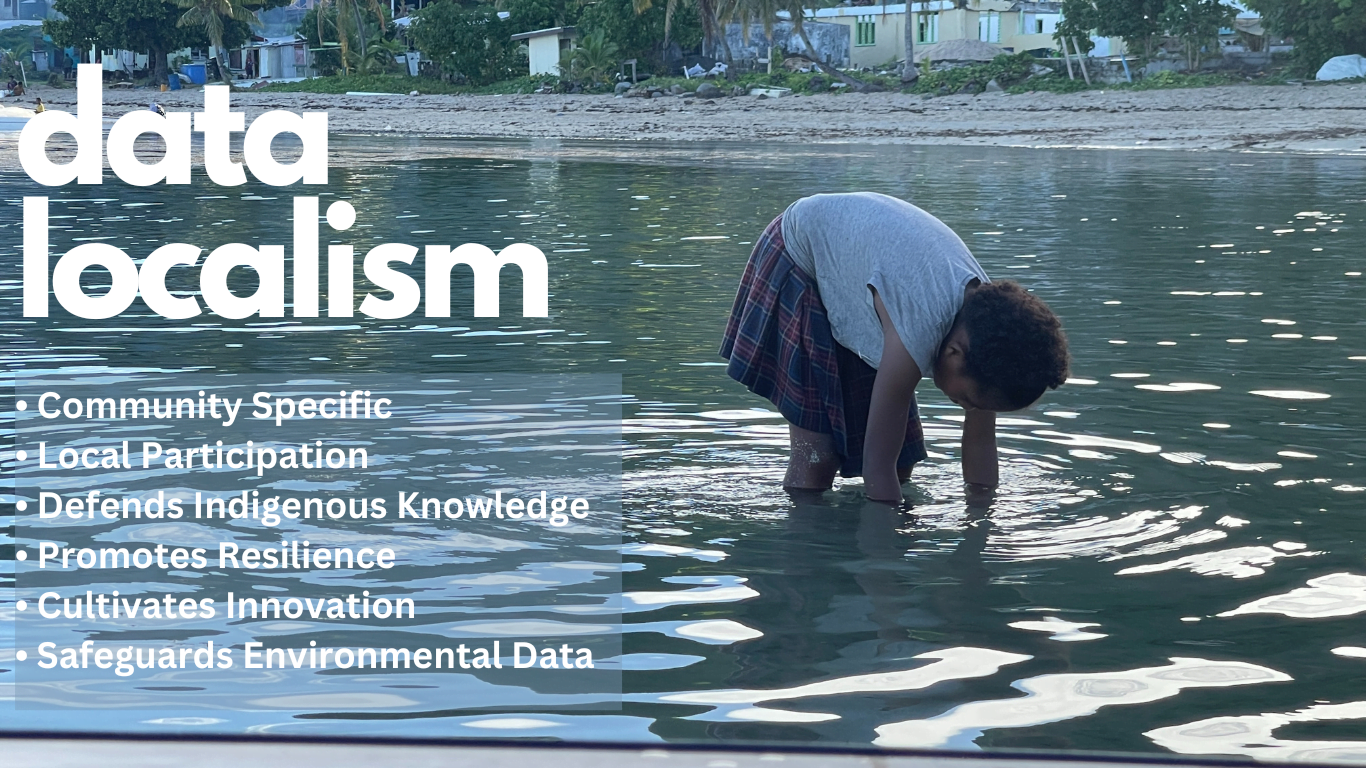
Local Data Sovereignty refers to the concept of generating, storing, and processing data within a local or regional context. In the context of ecological accounting, this approach can provide numerous benefits and provide relevant jobs in both the public and private sectors. Data stewardship is a service that includes conducting inventories, collecting statistics, publishing data, determining conditions and trends, examining and analyzing changes, summarizing data, describing, compiling, measuring, researching, monitoring, and managing lists of information. These are jobs that belong to the community.
Relevance and specificity: Local data can capture the specific ecological features and characteristics of a given area, making the data more relevant and specific. This can result in more accurate assessments of the ecological value of an area.
Encourages local participation: When data is collected and processed locally, it can encourage community engagement and participation. This can lead to a greater sense of ownership and commitment to ecological preservation.
Speed and responsiveness: Local data can be collected, processed, and applied more quickly, making it more responsive to changes in the local environment.
Challenging data colonialism: In the context of global data flows, there’s often an unequal relationship between data-rich developed countries and developing countries that may not have yet developed the capacity to assess their data. Local Data Sovereignty can help to address this imbalance, enabling local communities to maintain control over their ecological data before it is absorbed into foreign accounts.
Tailored solutions: By focusing on local data, ecological strategies can be tailored to the specific needs of each area, leading to more effective solutions. This approach can also lead to more sustainable outcomes, as local conditions and resources are taken into account.
Promotes resilience: By relying on local data, regions can become more self-sufficient and resilient, rather than depending on external data sources that may not always be available or reliable.
Fosters innovation: Dealing with local data can stimulate innovation in data collection, storage, and processing techniques. This can contribute to the development of new methods and technologies that are better suited to the local context.
However, while data localism can provide many benefits in terms of ecological accounting, it’s also important to consider potential challenges. These might include the need for technical expertise and resources to collect and process data, the potential for local biases in data collection and interpretation, and the need for frameworks to ensure that data is used responsibly and ethically, with a Whole of Life, Pasifika ethos.
Opportunity
Why are Pasifika economies smaller than those of other nations? The standard answer to this question highlights the unique vulnerabilities and dependencies of the region, such as size, distance from markets, and climate and disaster vulnerabilities. But what if these barriers were actually the source of our regional equity? What if there existed an opportunity to treat them as benefits that could be accounted for in our national economies? And what does this have to do with ocean governance in the Pacific?
The key point to raise here is that there is an opportunity for the Pacific to determine how best to account for the equity in the region. Often our distant and remote islands have been seen as barriers to economic development. However, we can measure our economic welfare in a way that recognizes and accounts for the bond that people have with their environment, particularly in the context of increasing loss and damage associated with environmental degradation caused by climate change.
Challenges
Currently, for the Pacific, the biggest threat and challenge to accessing and building resilient data markets are the advanced economies, particularly the colonial countries that maintain colonial or post-colonial administrations. In the Pacific, this includes Australia, France, New Zealand, and the United States and includes Indonesia’s claim of West Papua and Chile’s claim of Rapa Nui.
If data is wealth, we know that wealth accumulation is a pillar of capitalism. Data Accumulation or theft is happening right under our noses, and Pacific Island Countries are giving it away freely. The three programs for data theft are Maritime Protected Areas, Military Defense Management of EEZs, and Carbon Swap programs.
While these programs seem benign compared to the West’s militarization and containment policies seeking to firm up barriers of trade between new multipolar trade networks, these environmental data programs should be viewed as an aggressive assault upon the sovereignty of not just Pasifika, but of every economy that has traditionally stewarded their blue/green spaces.
While these mitigation numbers are currently pegged to the “values” of carbon sequestration, this is certainly not a fair or balanced program and it’s worth paying attention to the ongoing debate about the appropriate way to value carbon. Some argue that current prices do not fully reflect the true social, environmental, and economic costs of carbon emissions. There are also legitimate concerns about consequences, that this kind of program will further lead to biodiversity loss and other environmental harm.
The value of carbon sequestration is a significant factor when calculating mitigation numbers or determining carbon offset prices. Carbon sequestration refers to the process by which CO2 is captured from the atmosphere and stored in plants, soil, and the ocean, and has become a spurious strategy in climate change policy by overemphasizing the singular problem of offsetting the emission of greenhouse gases when climate change is a manifold problem that requires solutions that western markets are incapable of providing.
Carbon trading is a poor factor in sustainability when offsetting emissions is a direct gateway to more aggressive mining and extraction industries like seabed mining, for example, industries that jeopardize entire ecosystems for clean energy resources.
As such, various approaches to carbon sequestration, such as afforestation (planting new forests), reforestation (replanting existing forests), improved forestry management, and practices in agriculture and soil management, are being monetized based on the amount of CO2 they can potentially capture and store, and not necessarily for the biodiversity it can restore.
The value of this sequestered carbon can then be used to create carbon credits, which can be sold in carbon markets to companies and individuals who want to offset their own carbon emissions. The price of these carbon credits reflects the perceived value of the carbon sequestration.
In terms of data localism, the value of carbon sequestration must include the indigenous or customary management of ecological biodiversity and include cultural and wellbeing factors. As such, communities will benefit far more by localizing data than by swapping it out for million-dollar deals that amount to a shaved splinter of a penny when measured against the tens of trillions of dollars that natural capital is being measured by.
I also want to point out that the Carbon Market, is just one market of the many potential markets that would make much better use of both good climate policy and fair distribution of wealth.
The Pacific is a vast ocean of data and the population of the Pacific is only about 10 million people. No matter how one accounts for data, the Pacific region should be able to leverage trillions of dollars of ecological wealth to invent their own resilience schemes and own the patents for their own mitigation technologies– rather than leasing them from foreign entities. Small Pacific Island States should be devising their own tools and setting international standards, and doing their own assessments and validations in the international context. Tuvalu should be able to leverage its data wealth to hire Tony Stark to defend Tuvalu from the impacts of climate change. If one ever wonders why Australia spent AUD 368 billion on its nuclear sub, they didn’t spend it on the necessity of climate mitigation or resilience, but to keep China (a country that also promotes data localism) from doing business AND to prevent the Pacific from owning their data. AUD 368 billion dollars is a small price to pay for the trillions of dollars they’re anticipating to make to perpetuate their own carbon markets.
I advise all governments already ensnarled in these data schemes to try to withdraw from these agreements and mandate data localism using local auditors to verify the data.
The Eight Tenets on Data Localism
The first tenet is to recognize the intrinsic value of local data sovereignty and its role in nature and life.
Pasifika should acknowledge that the prosperity of the region and the welfare of its inhabitants are inherently interdependent. As a result, solution-based programs must be comprehensive and integrated. In this regard, safeguarding our data is imperative, and we must counter attempts by dominant economies to manipulate and exploit our data resources by undermining or downplaying its value through deceptive arguments about the efficacy of “openness,” “transparency,” or “accessibility.” To ensure that data-driven solutions are designed to serve the Pacific region’s unique needs, we must adopt an unrelenting adherence to data localism, an approach that emphasizes community participation, accountability, and cultural relevance.
Data localism is sovereignty. To create a more just, sustainable, and equitable region, we must actively defend our rights and begin to shift from a paradigm of exploitation and waste to one of respect and stewardship. We must reject Natural Capital because nature and life are sacrosanct, and the cumulative impacts are interdependent with existence. We must transition out from a system of commodification to a system of mutual interaction. This requires that we value, measure, and account for data to meet the targets and goals that we set our baseline to. Meeting targets and goals can be achieved without the corrupting influence of eco-neoliberal privatization regimes. We must explore data localism, data stewardship, data provenance, and a data marketplace with Pasifika or indigenous-held technologies.
The second tenet is to prioritize data commons. We must empower local communities to take control of their data and promote decentralized systems that allow for greater autonomy and self-determination. This includes advocating for open-source software, community-owned data centers, and community-led data governance structures.
As oil-producing regions produce oil, the Pacific is a vast region where local businesses can manage ecological data to be on par with other regions. Wall Street will exclude people-to-people capacities to exchange, but mutual aid could very well inspire the transition toward a more equitable global economy.
The third tenet is to promote data protocols. Indigenous or customary protocols are unique to specific regions, cultures, and communities, and they reflect the values, beliefs, and practices of those communities. Adopting indigenous protocols can foster new partnerships between professionals from different fields to assist with the development and integration of data into translocal and interglobal markets and exchanges.
Environmental default swaps (EDS), for example, may be a financial instrument that allows us to hedge against environmental risks such as climate change and natural disasters. But an EDS should do more than report on loss and damage and include an account of mitigating and adaptive technologies. Environmental data will transform financial markets and we should be the primary source of information about environmental data markets. It is up to the region to control this data, as our large EEZs and remote locations will provide our small populations with access to capital and new infrastructure.
The fourth tenet is to foster a culture ofdata reciprocity. We must recognize the importance of mutual exchange and collaboration and promote systems that allow for fair and equitable sharing of data. This includes advocating for data cooperatives, data commons, and open data initiatives that benefit all members of an interglobal community.
By establishing a Pasifika data regime that manages environmental data in market terms, we will set the rules for the region. Much like with the PNA Vessel Day Scheme, Pacific EEZ should set the boundaries of new accounting standards.
The fifth tenet is to prioritize data privacy and security. Individuals and communities have the right to control how data is collected, used, and shared, and that this data is protected from unauthorized surveillance, collection, access, and misuse.
We must prioritize the restoration of ecosystems, protect endangered species, and promote sustainable land and water use practices. Unlike bio-colonial efforts to collect people’s genetic information, biostatistics is a branch of statistics that focuses on the collection, analysis, and interpretation of data related to biological systems. In the context of indigenous and customary communities, biostatistics can provide valuable data about our interactions with environments. Ethical guidelines and regulations must secure our data and we must devise regulatory and auditing processes that can reliably interpret our ocean of data.
The sixth tenet is to recognize data provenance and honor the interconnectedness of data and our lives. We must work to break down the false dichotomies of data versus privacy, individual versus community, and realize that we are all part of a larger, interdependent web of data.
We must recognize the importance of collective action and empower local communities to take control of their own resources and futures. Data provenance refers to the history of the ownership and control of environmental data. It is concerned with the identification of the original source of data, how it has been modified, and who has had access to it. For indigenous and customary peoples, data provenance is critical for maintaining the integrity of traditional knowledge and protecting the rights of their communities. Data provenance provides a mechanism for identifying the ownership and control of traditional knowledge, ensuring that it is not misused or exploited by third parties without the consent of the original owners.
The seventh tenet is to prioritize education and awareness. We must ensure that all people have access to accurate information about the value of data points meeting its targets (or not) and are empowered to make informed decisions about their impact on the digital landscape.
We must ensure that all people have access to accurate information and are empowered to make informed decisions about how they value their interaction with the environment. Developing an accredited curriculum focusing on integrating communities with accounting methodologies that facilitate both translocal and interglobal approaches to ecological-economic accounts provides diligence to monitoring, auditing, and enforcement that will protect both communities and investors and allow for coherent markets to evolve.
The eighth tenet is to recognize and honor the potential for data to create positive social change. We must work to promote data justice and equity and ensure that data is used to promote social and environmental sustainability, rather than perpetuating systemic injustices.
Our relationship with the natural world has been a topic of discussion and contemplation for thousands of years. In recent times, the urgency of addressing the ecological crisis has brought the need for a more integrated approach to the forefront. Exploring the intersection between economics and spirituality argues that incorporating spiritual values into economic decision-making can lead to a more sustainable and equitable world.
Data Reciprocity and Data Localism address the urgent issues of data sovereignty, privacy, and equity in the digital age. It recognizes the need for a radical transformation of our economic and social systems in order to achieve these goals.
The ecological crisis is one of the most pressing challenges facing humanity today. Climate change, habitat destruction, and the loss of biodiversity are just a few of the many problems that threaten the survival of countless species and the well-being of the planet. The root cause of these problems is often traced back to a human-centered worldview that sees the natural world as a resource to be exploited for human benefit.
Economics, as a discipline, is primarily concerned with the allocation of scarce resources to meet unlimited human wants and needs. However, the current economic system often prioritizes profit over other values such as social and environmental well-being. This has led to a number of negative consequences, including income inequality, environmental degradation, and the depletion of natural resources.
Spirituality, on the other hand, offers a different perspective on the relationship between humans and the natural world. Many spiritual traditions view the natural world as sacred and see humans as part of a larger, interconnected whole. This worldview emphasizes the interdependence of all living beings and the importance of living in harmony with the natural world.
The integration of ecology, economics, and spirituality offers a path toward sustainability by incorporating both scientific and spiritual perspectives on the relationship between humans and the natural world.
One of the key benefits of this intersection is the creation of a more equitable and sustainable economic system. Data measuring our well-being, for example, can be a tool addressing our spiritual values such as compassion and cooperation, and result in economic decision-making guided by a deeper sense of purpose and responsibility. This can lead to a more equitable distribution of resources and a greater emphasis on environmental protection and sustainability.
Throughout history, the spiritual exchange of goods and markets has played a significant role in many cultures and civilizations. In ancient times, bartering was a common practice, where goods and services were exchanged without the use of currency. This exchange was often guided by spiritual beliefs and values, such as the belief in the interdependence of all living beings and the importance of mutual support.
In some indigenous cultures, the concept of the “gift economy” was central to the exchange of goods and services. In these societies, resources were shared freely and individuals were encouraged to give generously to those in need. This was seen as a way of building community and strengthening social bonds and was often guided by spiritual beliefs about the interconnectedness of all living beings.
Religious markets, such as the Suq in the Islamic world, have also played a significant role in the exchange of goods and services. These markets were often a hub of economic activity and served as a place for merchants and traders to exchange goods and services. They were also a place for religious and cultural exchange, where individuals from different backgrounds could come together to exchange ideas and goods.
The concept of “fair trade” and provenance in supply chains has emerged as a way of incorporating more holistic values into an economic exchange. Fair trade is based on the idea of creating a more equitable and sustainable economic system by ensuring that workers and producers in developing countries receive a fair price for their goods and services.
Data Reciprocity and Data Localism
Data Reciprocity and Data Localism recognize that data is a valuable resource that has the potential to empower communities and individuals, but that this potential is often exploited by large corporations and governments. Therefore, any solution to these global challenges must prioritize the rights and needs of people over the profits of a few.
A 21st-century economy integrates the intrinsic value of data and its role in shaping our lives. We must acknowledge the rights of individuals and communities to control and benefit from the data that they produce and shift from a paradigm of surveillance and exploitation to one of transparency and reciprocity.
• Prioritize data localism. We must empower local communities to take control of their own data, and promote decentralized systems that allow for greater autonomy and self-determination. This includes advocating for open-source software, community-owned data centers, and community-led data governance structures.
• Foster a culture of data reciprocity. We must recognize the importance of mutual exchange and collaboration, and promote systems that allow for fair and equitable sharing of data. This includes advocating for data cooperatives, data commons, and open data initiatives that benefit all members of a community.
• Prioritize data privacy and security. Individuals and communities have the right to control how their data is collected, used, and shared and that this data is protected from unauthorized access and misuse.
• Prioritize education and awareness. All people have access to accurate information about their data and are empowered to make informed decisions about their impact on the digital landscape.
• Recognize and honor the interconnectedness of data and our lives. Break down the false dichotomies of data versus privacy, and individual versus community, and realize that we are all part of a larger, interdependent web of data.
• Recognize and honor the potential for data to create positive social change. Promote data justice and equity and ensure that data is used to facilitate social and environmental sustainability, rather than perpetuating systemic injustices.
Data Reciprocity and Data Localism recognize the urgency of the global crises we face in the digital age.
An integrative approach to ecological economics and spirituality is the creation of a more holistic understanding of our interactions with ecological biodiversity. Translocal markets recognize the importance of protecting the natural world not just for its own sake, but for the well-being of all living beings and for future generations.
The intersection between economics and spirituality offers a path toward a more sustainable and equitable world. By incorporating spiritual values into economic decision-making, we can create a more holistic and compassionate economic system that prioritizes the well-being of all living beings and the planet as a whole.